What is rosacea? And how do you know if you have it? In my experience, it can start from what seems like out of the blue…but really it was brewing deep inside the gut, and you just didn’t know it!
I’ve talked about this before, but my rosacea came after I got covid and started as tiny little pimple looking bumps that would come and go, then slowly progressed into bigger bumps, then into a full face of HEAT AND REDNESS. I was not aware it was rosacea, until I finally caved and got a visual assessment from a dermatologist through Apostrophe Skincare– which has since shut down to focus on their other brands.
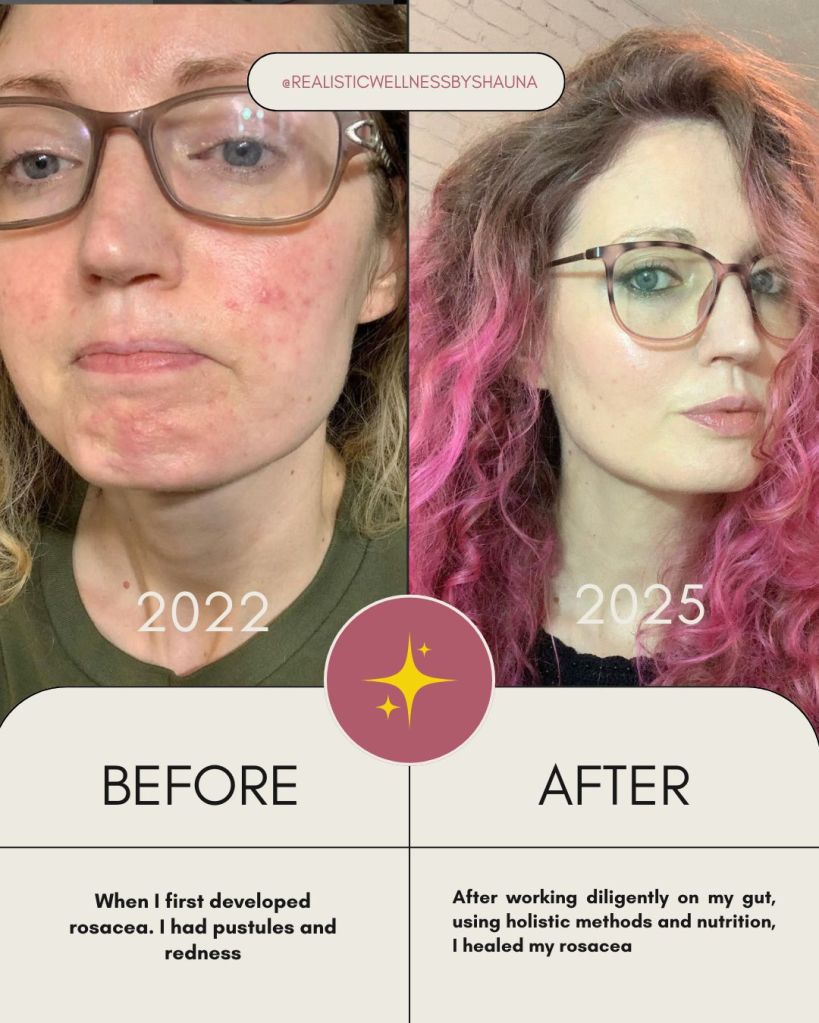
But what exactly is rosacea??
Rosacea is a chronic skin condition that causes redness, flushing, and visible blood vessels on the face. It typically affects the cheeks, nose, forehead, and chin.
There are also different types of rosacea that you can get and they have different effects on the skin.
According to the NIH, rosacea is divided into 4 types:
- Type 1 – vascular rosacea: Red areas of skin on the face, sometimes small blood vessels are visible.
- Type 2 – inflammatory rosacea: As well as facial redness, there are red bumps (papules) and pus-filled spots (pustules).
- Type 3 – phymatous rosacea: The skin thickens and may become bumpy, particularly on the nose.
- Type 4 – ocular rosacea: This type of rosacea leads to inflammations of the eyes and eyelids (blepharitis), sometimes with no noticeable skin symptoms.
It usually appears in the “T” zone of the face, ( forehead, cheeks, chin, & nose), but can also occur on the back of the neck as well as the chest. The last 2 are less common though.
Understanding the Roots of Rosacea: Western Science Meets Ayurveda & TCM
If you google causes of rosacea, the first things you will find are the usual: spicy food, hot beverages, coffee, alcohol, sunlight, dilated blood vessels, etc. But…those aren’t true CAUSES. Those are TRIGGERS.
So what are the causes? According to TCM and Ayurveda, it comes from inside. The gut and surprisingly–the mouth.
The mouth is like your 3rd immune system, (the first being the actual immune system, and the second being the gut).
Though most health practitioners never think about the mouth being a cause, oral inflammation can contribute to skin , as well as gut and overall inflammation in the body.
How oral health affects rosacea
- Bleeding gums or periodontal disease increase systemic cytokines, which worsen flushing and sensitivity.
- An imbalanced oral microbiome can aggravate gut health and trigger rosacea flares.
- Chronic jaw tension—from stress or grinding—can restrict lymphatic flow and facial circulation. (I experience this myself)
How the gut affects rosacea
In my search for relief, I never saw anything that connected the gut and skin but I knew deep down that they are truly intertwined. Then I discovered ayurveda and TCM and their beliefs on the gut skin connection and I found the missing link I was searching for.
- Many people with rosacea also experience gut dysbiosis, leaky gut, or small intestinal bacterial overgrowth (SIBO). Many also have reflux symptoms, or silent symptoms that they aren’t aware is reflux.
- Gut imbalances can cause systemic inflammation, which often shows up in vascular areas of the face.
- When the microbiome is not functioning optimally, histamine sensitivity increases—leading to flushing, redness, pustules, and heat. I found that when my reflux gets triggered, my skin gets triggered as well.
How hormones affect rosacea
Hormones are another main reason why ,any of us get rosacea, or have flare ups once we already have it.
Many women develop rosacea during perimenopause, when our hormones start to fluctuate more erratically.Other times when women may delve rosacea are during and after pregnancy, When hormones fluctuate, they can stir up inflammation, affect circulation, and throw off the skin’s natural balance.
When looking at TCM, they believe it is because of stagnant chi, or kidney yin deficiency.
Ayurveda proposes this inflammation comes from Pitta aggravation and Rakta vitiation.
Excess heat (Pitta) and impurities in the blood (Rakta) are believed to be the primary drivers of rosacea. This leads to increased inflammation and redness that shows up on the skin. Ayurveda also believes accumulation of toxins (Ama) can be a culprit.
In Ayurveda, poor digestion can lead to the accumulation of undigested toxins (ama). These toxins can circulate in the body and contribute to inflammation that manifests as skin issues like rosacea.
So what can we do to help?
Western medicine proposes avoiding all of your trigger foods, and exposure to direct sunlight.
Other recommendations
- Use sunscreen
- Topical medication such as azelaic acid and metronidazole.
- Laser treatments like Intense Pulsed Light (IPL),
- Blood pressure medication to restrict vasodilation
- Antibiotics like Brimonidine or oxymetazoline to constrict blood vessels and reduce redness.
On the other hand, Ayurveda recommends getting to the root of the inflammation to prevent flare ups.
Ayurvedic treatment for rosacea
focuses on balancing the Pitta dosha, which is associated with heat and inflammation. Treatments aim to cool the body, detoxify the system, and soothe the skin through herbal remedies, dietary changes, and lifestyle modifications.
This is. not an extensive list, but some of the lifestyle changes to balance Pitta and help calm rosacea include:
- Oil pulling– Reduce oral bacteria and systemic inflammation that may be contributing to redness. This has been a GAME CHANGER for my rosacea.
Eating cooling foods
- Cucumbers and melons
- Leafy greens and vegetables, such as kale, spinach, zucchini, and pumpkin
- Sweet fruits, such as pomegranates and pears
- Ghee, coconut water, and buttermilk
- Herbal teas like chamomile, mint, and fennel
Avoiding triggers
- Spicy and hot foods (peppers, chiles, curries)
- Sour foods, fermented items (yogurt, vinegar), citrus fruits
- Salty, oily, and fried foods
- Caffeine, alcohol, and red meat
Internal consumption (under professional guidance
- Turmeric: The compound curcumin has powerful anti-inflammatory and antioxidant effects.
- Manjistha: A blood purifier that helps detoxify the blood and improve skin clarity.
- Neem: Offers antibacterial, anti-inflammatory, and cooling properties.
- Triphala: An herbal blend that helps improve digestion and supports detoxification.
- Ashwagandha: An adaptogen that can help manage stress, a known trigger for flare-ups.
Lifestyle and therapies
Ayurveda emphasizes lifestyle adjustments to manage stress which can be a trigger.
- Stress management: Practice calming techniques like yoga, meditation, and deep breathing exercises (pranayama).
- Sun protection: Avoid excessive sun exposure, as it can be a major trigger for rosacea flare-ups.
- Gentle skincare: Use mild, natural skincare products and avoid harsh chemicals, hot water, and over-exfoliation.
- Regular routine: Maintain a consistent daily routine, including adequate sleep and regular meals, to balance the doshas.
- Panchakarma: For chronic or severe cases, a practitioner might recommend this detoxification therapy
Other methods worth mentioning
If you are struggling with rosacea, here are some tips that have worked for me personally and you may like to try.
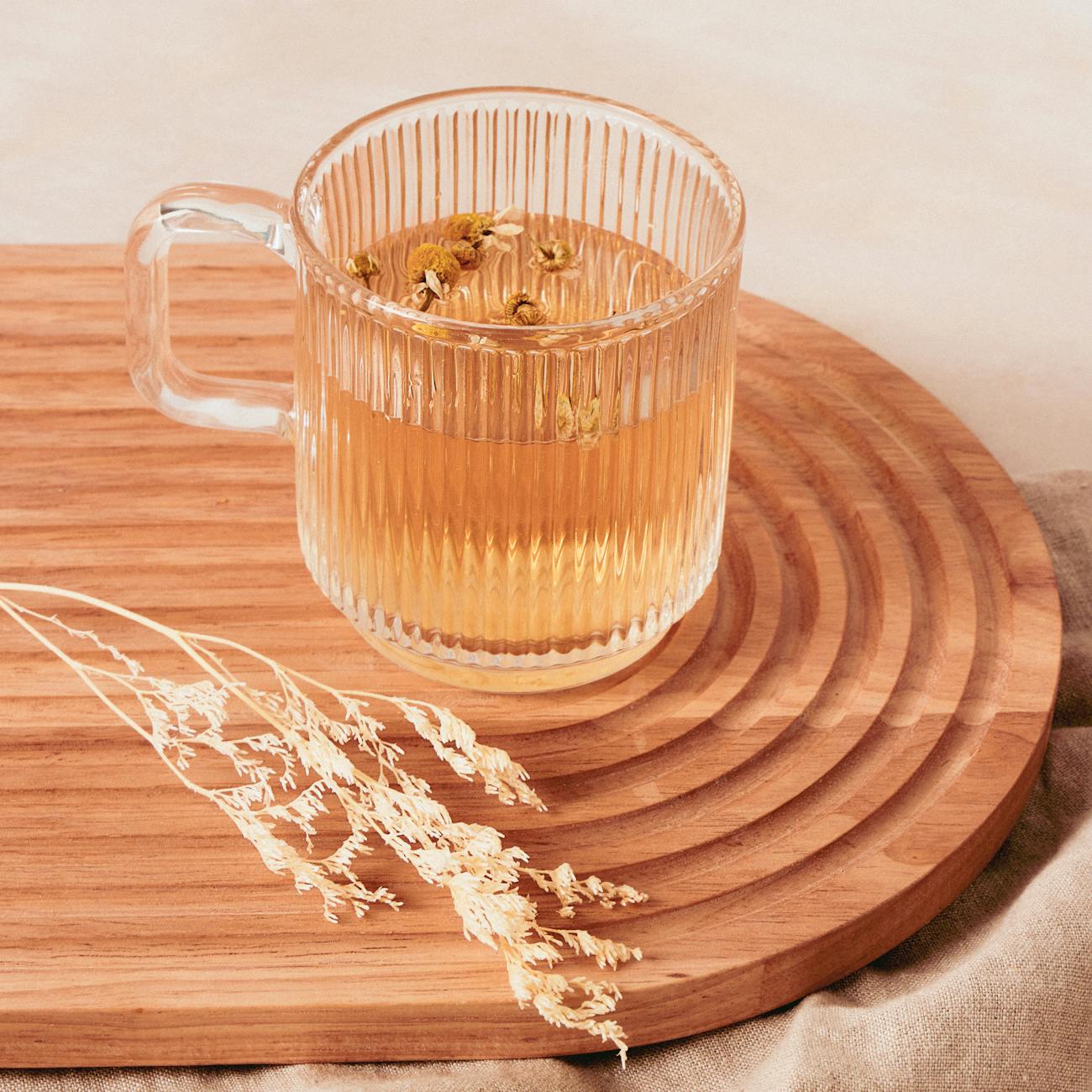
- Drink chamomile tea. Chamomile is helpful for soothing inflammation in the gut ( it also helps with reflux!)
- Get your gut tested to see where the inflammation is coming from. I HIGHLY RECOMMEND Tiny Health. I have a blog post about my experience here> . After implementing the recommendations from my gut health expert, my rosacea is nearly gone.
- Abdominal hydrotherapy. Alternating most heat and cold is a greatly to calm gut inflammation. I do it and my skin immediately feels less hot afterwards.
- Cut out dairy- dairy. Studies have shown that people with rosacea who consume dairy products tend to have more severe symptoms and more frequent flare-ups.

A study published in the Journal of the American Academy of Dermatology found that an elimination diet that excluded dairy reduced rosacea symptoms in 63% of participants.
Another study in the Journal of Dermatological Science found that people with rosacea who consumed dairy products had higher levels of inflammatory markers in their blood. I have cut out dairy completely and have noticed a drastic difference.
Watch out for hidden triggers
Some triggers you may not be aware of:
Mung beans, and fava beans: This may be due to their histamine and tyramine content, which can dilate blood vessels and cause inflammation. In Ayurveda, they’re considered slightly heating and difficult to digest if Agni (digestive fire) is weak — both of which can increase facial heat and redness. I found this to be true for me when I eat Big Mountain foods fava bean tofu, as well as Just Egg.
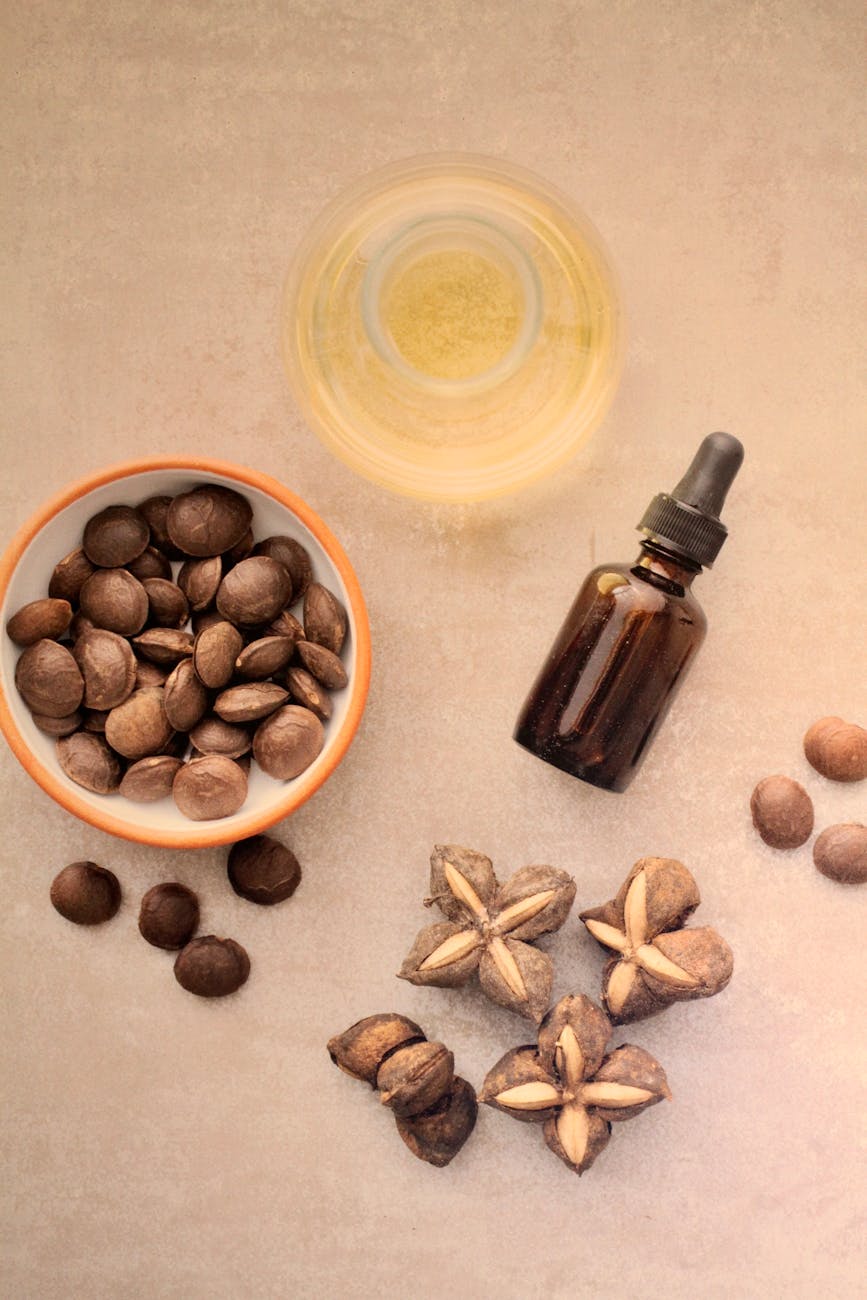
Maya nut (ramón seed)- This little nut is found in a bunch of coffee alternatives on the market. And while it does taste yummy, it can be a potential trigger. This could be from the polyphenols & tannins in the seed. When steeped in hot water, they are released into the drink. In sensitive people, these can cause a mild vasodilation, and a warm flush of the face. I know this is the case for me, so I stick to coffee alternatives that don’t contain it.
Certain brands of coffee: I have issues with certain brands/ roasts of coffee that flare my skin ( and my reflux). I am not sure why but I have to stick to very dark roasts to prevent flares. Medium and light are definitely triggers, as well as some brands of dark roast like Peet’s. The ones I stick to are French roast, and espresso roast. Starbucks French roast, or the Meijer brand Frederick’s are my go tos. Also an brand called Cambio works well for me.
So if you are struggling with coffee as a trigger, try experimenting with other roasts and brands to see if that helps.
There are many options available in the holistic health space to work towards healing your rosacea, or any inflammation really, but I wanted to share the things I have found to be beneficial for my skin and gut health.
I hope this article helps you, and if you want to work with me please reach out! I am always available if you have any questions or want coaching.
See you next time,
shauna
 Realistic Wellness by Shauna
Leave a comment