Hey there. I wanted to chat about my nutrition style and how it came about…and why I think it will help people.
There are SO MANY ways of eating in this world, and especially in the holistic nutrition arena it can be very confusing. I have studied naturopathy, and am a certified coach, but I love learning more. I’ve been studying cancer prevention and came across Dr. Joel Fuhrman and immediately binged all of his lectures and read Eat to Live, and Eat for Life and really respect him. His nutrition research is unprecedented and is very valuable to health.
Then we have Ayurveda, which Ive also been diving into for the aspects of ” you are what you absorb”, and how digestion is the cornerstone of health. And I also really respect.
But if you compare these two science backed ways of eating/living— they are total opposites! There are some similarities, but also so many different ideas of what healthy eating is and how to deepen health and prevent disease.
SO WHO DO YOU LISTEN TO?? This is where I feel Nutriopathy can help.
Although Dr. Fuhrman says (and proves) you can reverse and prevent disease and illness through nutritional excellence, I found that if you are a person like me who has digestive issues—those HUGE raw salads he recommends for lunch every day can wreak havoc on your gut. Trust me.
He also promotes lots of tomatoes and raw onion, so if you have reflux that can cause a problem. So even though his diet is nutritionally superior, if you can’t eat this way at first, how can you reach nutritional excellence? My thoughts are, you have to baby step your way through it. So like me again, I do better with cooked or steamed cruciferous veggies like kale and cabbage. The raw varieties block my digestion and no amount of chewing and water will help me out. The truth is some people just cant break down lots of fiber until their gut is healed from whatever it is that is causing the issue.
The Skin Nutrition Institute makes fruit the priority to have youthful skin and heal at the cellular level, and has a focus on produce for micronutrients but cuts out protein rich foods like beans, and has very low protein and fat.
Ayurveda says avoid raw greens and salads if you have digestive problems, and I find I do better in that aspect. So what am I recommending in Nutriopathy?
If it’s hard to digest, cook it or blend it.
Yup. Sensitive guts have to get creative in the kitchen, especially if we want to reach a level of high nutrient intake. What I find works for me and (I tested it out during times of constipation and reflux), is raw greens do not cause me any issues when blended into a smoothie, and cooked veggies do not cause any blockages.
Raw lettuces, cucumber, carrot, and celery are also fine for me, but any fibrous veggies like kale, cabbage and broccoli are better steamed or cooked for digestion. Warmed or cooked fruits are less acidic so make them a better option for reflux sufferers.
In my method, I do recommend what Dr. Fuhrman and SNI says about dairy and meat consumption as well because the research doesn’t lie. I avoid dairy, not only because it triggers my rosacea, but it is shown in the research to increase risk if breast cancer. The same goes for meat. And while I do consume poultry, it’s very little, and I don’t think people should eat more than a couple ounces of meat a couple times per week because it is also related to increased risks of cancers.
How to use Nutrioapthy
I believe a mashup of TCM ( Traditional Chinese Medicine), Ayurveda, SNI and Nutritarian is the best approach for wellness, but I am not a doctor so don’t just take my word for it. But hear me out. TCM & Ayurveda focus on the constitution of a person, eating to help balance out the body and digestion. Nutritarian is solely focused on getting as many micronutrients in your diet as you can to revers and prevent disease. SNI (Skin Nutrition Institute) focuses on eating as many colorful fruits and veggies as possible while cutting out potential irritants like lectins to fully absorb the nutrientsSo why not do all of these things??
If you are eating a super nutritious diet…but you can’t digest or absorb it due to gut inflammation…what’s the point? Nutriopathy is about using nutritious foods to balance out your body, heal the gut so you can digest properly and GET THE NUTRIENTS you need to live a healthy vibrant life.
Cut out processed foods. I know it isn’t feasible for everyone to never have a processed food again but limit it to very sparingly. When I say processed…I don’t mean canned beans/ veggies, frozen fruits and veggies or yogurt unless it’s full of sugar.. like some people on the internet like to do. *insert eye roll here*. I mean junk. Chips, crackers, candy, frozen meals, etc. PROCESSED. It has no nutritional benefit, and it will keep you in the same way of eating that got you to where you are today if you even have it once a week.
Don’t overeat, and slow down. Don’t feel like you have to clean your plate like when you were a kid…I was forced to do that and I still have to be mindful not to stuff myself because it’s there. No more clean plate club! Eat until you are no longer hungry, but not overly full. This is bad for digestion. The general consensus is 3/4 full but I say just stop when you feel satiated, and if you eat slowly you will notice it more than if you scarf it down.
Lower your protein slightly, and use more plant sources. Most people are consumed with protein and it’s shown in research that high protein is linked to cancers because it raises IGF-1. So like in the nutritarian diet, I really believe 40 grams per 1000 calories is enough to keep and build muscle ( it’s something I do and I am still getting lean). Unless you are trying to get really big…this is sufficient and MORE than the RDA (which is around 50g per day regardless of calories.) Protein overload can be problematic to sensitive guts as well, and in Ayurveda it said to be “drying”, and I really find that to be true.
Limit meat and egg consumption. Try mixing a small amount of ground meat into your dish and add beans, or just 2 oz instead of 6, 1 egg instead of 2, etc. just try to cut down the amount of animal protein in your diet. Or if you are willing, remove meat completely.
Drink warm water and herbal teas through the day. In Ayurveda, this is something that is encouraged because warm water increases Agni ( digestive fire) and can help digestion. I find it to be true for me.
Add GBOMBS. This is the acronym Dr. Fuhrman created to include all of the most researched foods that are health promoting and help prevent disease. Greens, Beans, Onions, Mushrooms, Berries, Seeds.
Include fruit! I looovvee fruit and cannot cut it out of my diet. It’s so full of nutrients and fiber and is just a yummy way to add sweetness to your meals. Let’s not go overboard, but adding a cup of dark berries daily, plus mango, banana, peaches…any you like daily is great. People do not eat enough fresh fruit. Also, the more colorful the better! I like to thaw or warm my berries because they can sometimes be too acidic for those who have reflux.
Make sure you are getting enough vitamins and minerals. Get your blood work done yearly to see what you need. Most multi vitamins are so overdosed, so pay attention to the amounts in them. I just take the vitamins I was told to with my bloodwork. B12, D3, Omega 3, and include alot of foods with various nutrients like pumpkin seeds, walnuts, kale, red foods for polyphenols etc.
Stay hydrated. Drink water, eat water rich foods like cucumber, soups, coconut water. Being hydrated is important for all bodily functions, but especially the gut, skin, and brain! It helps remove waste from the body, help digestion, and cognitive function. Don’t be thirsty, be proactive and drink up!
Make lunch the biggest meal of the day. Lunch time is supposed to be when your digestive fire is the strongest in Ayurveda, but many other cultures promote this meal timing as well. Have a smaller breakfast, larger lunch ( fill it with veggies), and a smaller dinner because your digestive system needs to focus on detoxing and repairing while we sleep, not digesting food. This can also help you sleep better, since your stomach will not be full of food.
Stop eating 4 hours before bed. This type of fasting has been shown to be optimal for digestive health, since it gives the body a chance to repair while you sleep. If you have inflammation in the gut, not eating for 12 hours is really beneficial to calm the inflammation.
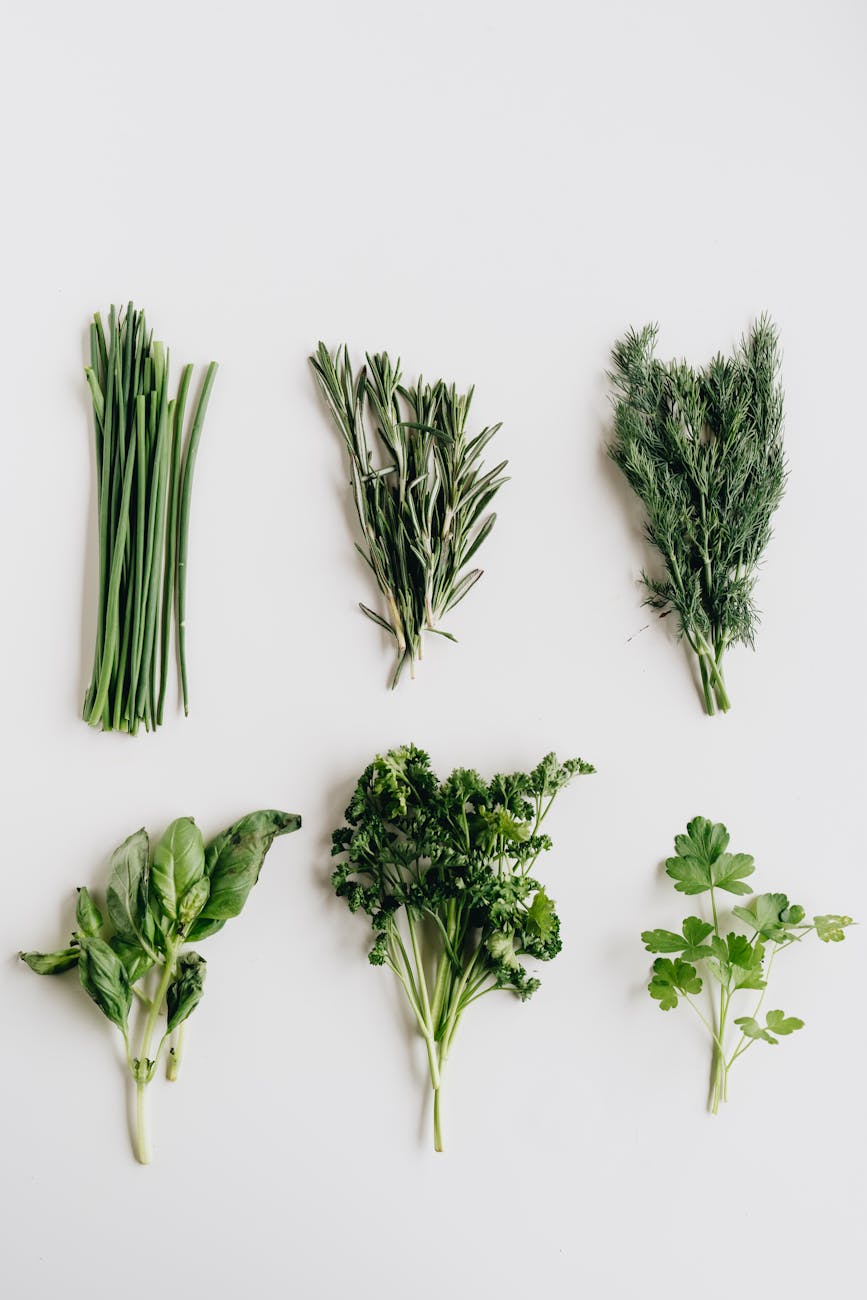
Add herbs and spices. Herbs and spices are so important to make your food taste good, but also are very health promoting! If you have reflux, or digestive issues (which is why Nutrioapthy was created), having an arsenal of healing herbs that won’t trigger symptoms is a game changer. Think mediterranean here because the flavors are not as spicy or heat generating like some others. Ginger, turmeric ( if tolerated), fennel, parsley, thyme, oregano, cumin, garlic scapes, green onion, sage, basil, rosemary…there are really so many yummy spices to use if you have reflux so be creative!
Replace some caffeine with alternatives. I am a coffee LOVER. I am so excited to wake up and have my coffee every morning, as well as my cup after work. But sometimes I get a reflux flare so I have to swap out my coffee for a caffeine free alternative. I just discovered Teccino has an instant version of their dandelion coffee substitute and it has become a favorite. But there are so many on the market to try now have fun testing them out.
Limit salt and oil, or omit it from your diet. The research doesn’t lie, and oil has been shown to not be very health promoting. Salt is now being shown to increase heart disease risk and high blood pressure. I stopped cooking with oil and it has made no difference in the taste to me, and I replaced salt with a sprinkle of kelp seasoning and it’s just as good. I think it’s fine to use things like hummus and other foods that contain some salt and oils but don’t coat your food in them.
Get exercise and walk daily. Exercise and moving are so important, but especially as we age. Keeping bones dense, muscles flexible and strong, and our joints healthy can help prevent or limit falling and injuring ourselves when we get older.
Eat anti-inflammatory foods as the majority of your diet. Think colorful veggies and fruit, herbs, healthy fats, and lot’s of omega 3 rich foods like walnuts, flax, seed, hemp seeds and algae oil. DHA is CRUCIAL no matter what diet you eat. It prevents the brain from shrinking as we age and that can help to prevent Alzheimers and cognitive decline. DHA is important for brain health, and EPA is important for inflammation so get both. These foods are where most of our nutrients come from, so it’s important to eat the rainbow. I like to add as many colors to my meals each day to try to get adequate nutrition.
Nutriopathy Food Swaps
Tomato sauce, tomato paste— swap for fresh or fire roasted
Onions— Swap for green onions ( greens parts only)
Garlic— Swap for garlic scapes if that bothers you
Coffee— Teeccino or Dandy Blend taste really similar to coffee, matcha, dandelion tea
Chocolate— Carob
Salt— Kelp seasoning
This way of eating and living has been really beneficial to my own health, and I think it can be for others as well. It is really simple once you get in the swing of things, and I love food! So it’s important to have meals that taste good so that you want to eat them, but also make you feel good and you can feel good about. I am going to create a recipe book with Nutriopathy meals for you to try as well so look out for that.
If you have any questions about Nutriopathy or want to work with me, please reach out! I’m always happy to help.
Shauna
Naturopathic Nutrition Coach
- References
- Shin J, Millstine D, Ruddy B, et al. Effect of Plant- and Animal-Based Foods on Prostate Cancer Risk. J Am Osteopath Assoc 2019.
- Aune D, Navarro Rosenblatt DA, Chan DS, et al. Dairy products, calcium, and prostate cancer risk: a systematic review and meta-analysis of cohort studies. Am J Clin Nutr 2015, 101:87-117.
- Qin LQ, Xu JY, Wang PY, et al. Milk consumption is a risk factor for prostate cancer in Western countries: evidence from cohort studies. Asia Pac J Clin Nutr 2007, 16:467-476.
- Harrison S, Lennon R, Holly J, et al. Does milk intake promote prostate cancer initiation or progression via effects on insulin-like growth factors (IGFs)? A systematic review and meta-analysis. Cancer Causes Control 2017, 28:497-528.
- Lu W, Chen H, Niu Y, et al. Dairy products intake and cancer mortality risk: a meta-analysis of 11 population-based cohort studies. Nutr J 2016, 15:91.
- Rowlands MA, Gunnell D, Harris R, et al. Circulating insulin-like growth factor peptides and prostate cancer risk: a systematic review and meta-analysis. Int J Cancer 2009, 124:2416-2429.
- Travis RC, Appleby PN, Martin RM, et al. A Meta-analysis of Individual Participant Data Reveals an Association between Circulating Levels of IGF-I and Prostate Cancer Risk. Cancer Res 2016, 76:2288-2300.
- Rinaldi S, Cleveland R, Norat T, et al. Serum levels of IGF-I, IGFBP-3 and colorectal cancer risk: results from the EPIC cohort, plus a meta-analysis of prospective studies. Int J Cancer 2010, 126:1702-1715.
- Endogenous H, Breast Cancer Collaborative G, Key TJ, et al. Insulin-like growth factor 1 (IGF1), IGF binding protein 3 (IGFBP3), and breast cancer risk: pooled individual data analysis of 17 prospective studies. Lancet Oncol 2010, 11:530-542.
- Dziadziuszko R, Camidge DR, Hirsch FR. The insulin-like growth factor pathway in lung cancer. J Thorac Oncol 2008, 3:815-818.
- Food, nutrition, physical activity and the prevention of cancer: a global perspective. Washington, DC: World Cancer Research Fund/American Insitute for Cancer Research; 2007.
- Comprehensive Review of Red Meat Consumption and the Risk of Cancer
https://pmc.ncbi.nlm.nih.gov/articles/PMC10577092/ - Cancer: Carcinogenicity of the consumption of red meat and processed meat. https://www.who.int/news-room/questions-and-answers/item/cancer-carcinogenicity-of-the-consumption-of-red-meat-and-processed-meat
- Eating less meat may lower overall cancer risk
https://www.health.harvard.edu/cancer/eating-less-meat-may-lower-overall-cancer-risk - Excess protein intake and prostate cancer https://medicine.washu.edu/news/excess-protein-intake-and-prostate-cancer/
- Massive efforts needed to reduce salt intake and protect lives
https://www.who.int/news/item/09-03-2023-massive-efforts-needed-to-reduce-salt-intake-and-protect-lives
 Realistic Wellness by Shauna
Leave a comment