How Ellagic Acid and Urolithins Support The Skin
When it comes to skin health, what we eat matters just as much (if not more!) as what we apply topically. For many people dealing with chronic inflammation, rosacea, or reactive skin, the root of the issue is often in the gut.
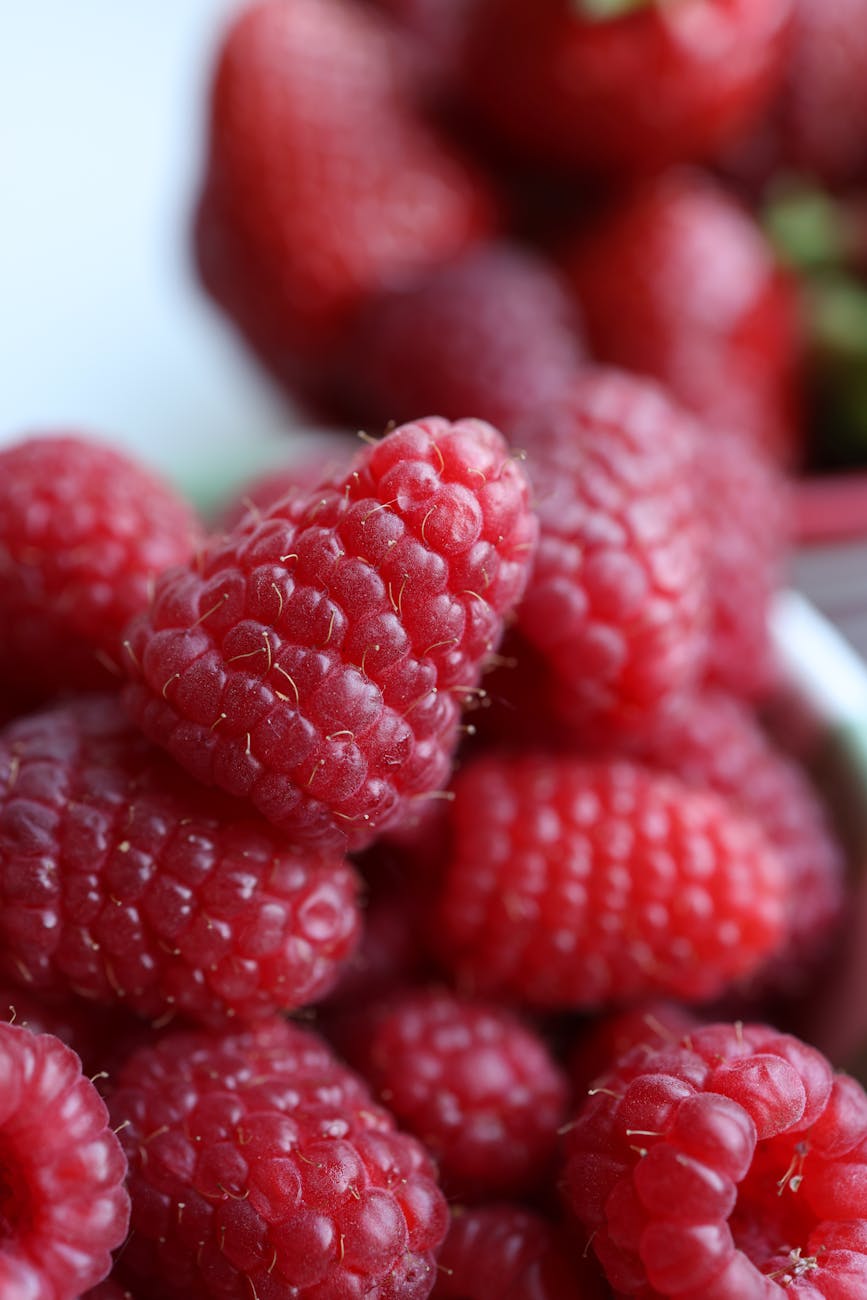
One of the most powerful yet underappreciated tools for supporting both gut and skin health is eating polyphenols, especially the ones found in raspberries. These berries contain unique plant compounds that help strengthen the gut barrier, support beneficial microbes, and calm inflammatory pathways that can show up on the skin.
The Gut–Skin Connection
The gut and skin are closely connected through immune and inflammatory pathways. When the gut lining is strong, it acts as a protective barrier, allowing nutrients in while keeping inflammatory triggers out. This is why taking Akkermansia helped my skin so much, it helped to tighten up the junctions in my gut which was due to leaky gut.
But when that barrier becomes compromised, inflammatory compounds can enter circulation and contribute to skin concerns such as:
- Rosacea
- Acne
- Sensitivity and redness
- Premature aging
Supporting gut integrity is one of the most effective ways to support clearer, calmer skin from the inside out.
What Makes Raspberries So Powerful?
Raspberries are rich in polyphenols, particularly ellagic acid, a compound known for its antioxidant and anti-inflammatory properties.
Unlike many nutrients that are absorbed directly, ellagic acid undergoes a unique transformation in the gut. Beneficial bacteria convert it into compounds called urolithins, which are responsible for many of its health benefits.
This means the benefits of raspberries depend not only on what you eat, but also on the health of your gut microbiome.
How Urolithins Protect The Gut Lining
Urolithins are bioactive compounds created when gut microbes metabolize ellagic acid. These compounds have been shown to:
- Support gut barrier integrity
- Reduce inflammatory signaling
- Promote mitochondrial health and cellular repair
- Support metabolic balance
By strengthening the gut lining and calming inflammation, urolithins indirectly support healthier, more resilient skin. This is especially important for people dealing with inflammatory skin conditions like rosacea, where systemic inflammation plays a major role.
Raspberries and the Gut Microbiome
Raspberries don’t just deliver polyphenols, they also provide fermentable fibers that nourish beneficial bacteria, including those involved in maintaining the gut’s mucus layer.
A healthy microbiome helps:
- Maintain tight junctions in the gut lining by feeding Akkermansia bacteria that keep the mucus layer healthy.
- Prevent inflammatory compounds from entering circulation
- Support immune regulation
- Promote a healthier skin barrier
This makes raspberries a powerful food for reinforcing the gut–skin axis.
Why Raspberries Are Great For Skin Inflammation
Compared to some other fruits, raspberries are:
- Lower in sugar
- Rich in antioxidants
- High in fiber
- Well tolerated by many people with sensitive digestion
Their polyphenol profile helps reduce oxidative stress and inflammation, two major triggers of redness, irritation, and roscea.
A Raspberry A Day..
You don’t need large amounts to see benefits. Consistency matters more than quantity.
Try:
- Adding fresh or frozen raspberries to smoothies
- Mixing into yogurt or chia pudding
- Sprinkling over oatmeal
- Blending into a raspberry chia jam
- Adding a raspberry powder to your oats or smoothie, like Koyah
Even just having a small handful each day can support gut and skin health over time.
The Bigger Picture
Raspberries aren’t just a “superfood”, they’re also a functional food that helps support the body’s internal ecosystem. Since they are a great source of ellagic acid and other polyphenols, they help feed beneficial gut bacteria, strengthen the gut barrier, and calm inflammatory pathways that influence the health of the skin.
When the gut is supported, the skin tends to get healthier as a byproduct.
Healthy skin starts in the gut, and raspberries are a simple way to support both areas.
By including antioxidant rich foods like raspberries daily, you’re supporting the microbiome, helping to calm inflammation, and creating the foundation for healthier and more resilient skin.
If you’re struggling with rosacea, and are trying to navigate it on your own, I’m here to help.
I offer 1:1 Skinvestigations™, where we take a deep dive into your unique root causes. We will look at gut health, inflammation, nutrition, and lifestyle factors that influence rosacea from the inside out.
If you’re looking for ongoing support, my membership offers rosacea friendly recipes, meditations, education, and lifestyle resources to help you calm your gut and skin.
The gut has skin too, so we have to feed it too.
Shauna
 Realistic Wellness by Shauna
Leave a comment